When does a business need an electrical panel upgrade?
An electrical panel that is outdated, undersized, or showing signs of wear can put a commercial property at risk. The short answer is that a business should consider replacing its electrical panel when the existing unit cannot safely handle the current electrical demand, when it lacks capacity for planned additions, or when it fails modern safety standards. Beyond that simple answer, the decision involves understanding the building's electrical load, the condition of the panel itself, and the regulations that govern commercial electrical work.
Signs that a panel replacement may be needed
Several indicators suggest it is time to evaluate the electrical panel. Frequent breaker trips, especially when they occur under normal operating conditions, point to an overstressed system. A panel that feels warm to the touch, has visible rust or corrosion, or shows signs of arcing or burning should be inspected by a qualified electrician. Older panels, particularly those manufactured before the adoption of modern safety codes, may lack ground-fault protection or arc-fault protection that is now standard. In some cases, the panel is simply too small for the building's current equipment load. A facility manager might notice that adding a single new machine forces a reorganisation of circuits or that the main breaker is consistently near its rating. Any of these conditions warrants a professional assessment.
Understanding your business electrical load
Before deciding on a replacement, a business must understand its electrical load. This means knowing how much power the building draws at peak times and how that load is distributed across circuits. A load schedule, often created by an electrical contractor or engineer, lists each piece of equipment, its voltage and amperage, and which circuit it connects to. This document is essential for determining whether the existing panel has room for growth or whether it is already maxed out. For businesses that have added equipment over time without updating the load schedule, the actual demand may be higher than what the panel was originally designed to handle. A professional assessment can include a load study that measures real-time usage and identifies potential overloads.
Three phase power and commercial panels
Many commercial properties use three phase power, which is different from the single-phase power found in most homes. Three phase power is more efficient for running heavy machinery, large HVAC systems, and other high-demand equipment. The electrical panel for a three phase system is built differently and has specific requirements for balancing loads across the three phases. An unbalanced three phase system can cause inefficiency, overheating, and equipment damage. When replacing a panel in a building that uses three phase power, it is critical to choose a panel that matches the voltage and configuration of the existing service. A common mistake is to install a panel that is rated for a different voltage, which can lead to unsafe conditions and failed inspections.
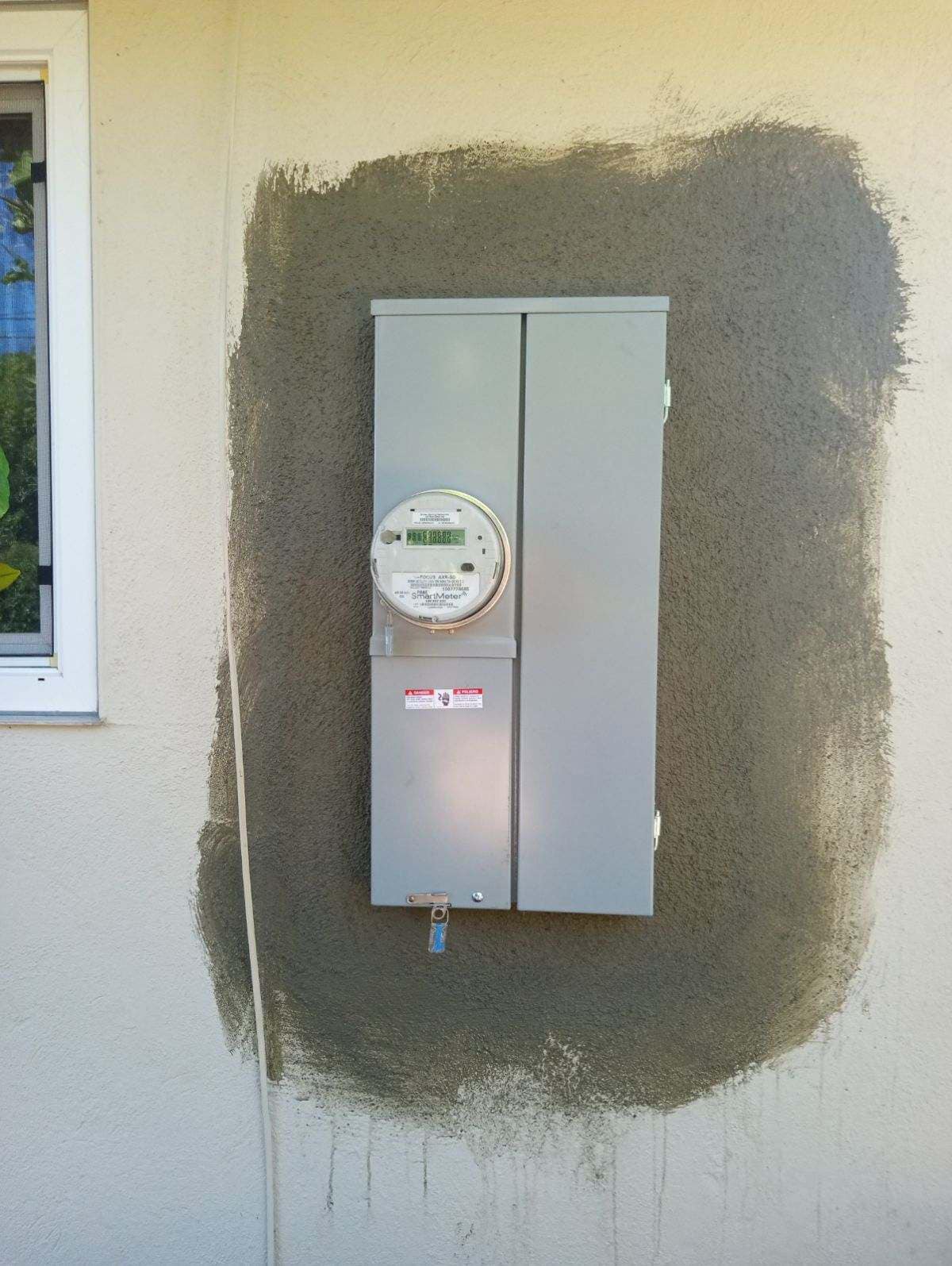
Tenant improvements and panel upgrades
Tenant improvement projects often trigger the need for an electrical panel upgrade. When a commercial space is renovated or reconfigured, the electrical system may need to be updated to meet current code. This is especially true if the work changes the building's use, for example, converting a retail space into a restaurant or an office into a lab. The added equipment load from new lighting, kitchen equipment, or specialised machinery may exceed the existing panel's capacity. Even if the panel is not fully loaded, the local building department may require an upgrade to bring the system up to modern standards. Working with an electrical contractor early in the planning stage can help avoid costly surprises and ensure the new panel is sized correctly for both current and future needs.
Distribution panel vs. main panel
In larger commercial buildings, there is often a main service panel that receives power from the utility, and then several distribution panels that feed specific areas or types of equipment. The decision to replace one or the other depends on the problem. If the main panel is outdated or undersized, the entire building's electrical capacity may be limited. If a distribution panel is failing, only the equipment connected to that panel is affected. A thorough assessment will identify which panels are at the end of their service life and which can remain. Sometimes a partial upgrade, replacing only the problematic distribution panel, is sufficient. Other times, a full replacement of the main panel is necessary to support increased capacity or to meet new code requirements.
Electrical shutdown and business operations
Replacing an electrical panel requires a shutdown of power to the circuits served by that panel. For a business, this can mean downtime that affects productivity, customer access, or even the safety of refrigerated or climate-controlled spaces. Planning the shutdown carefully is essential. The electrical contractor will coordinate with the facility manager to schedule the work at a time that minimises disruption, such as over a weekend or during a holiday. In some cases, temporary power can be arranged for critical equipment. The shutdown also allows for the safe disconnection and removal of the old panel, followed by the installation of the new one. After the new panel is in place, all circuits must be tested to confirm they are connected properly and that the system operates safely.
One consideration that businesses sometimes overlook is the need for an updated load schedule after the replacement. Once the new panel is installed, the electrician can re-label all circuits and create a clear map of which breakers serve which equipment. This documentation is valuable for future maintenance, troubleshooting, and any subsequent tenant improvements. A well-documented panel also makes it easier for facility managers to plan for future load additions without guesswork.

Working with a qualified electrical contractor
Panel replacement is not a do-it-yourself project. It involves high voltage, complex wiring, and strict compliance with the National Electrical Code and local amendments. A qualified electrical contractor will start with a site visit to assess the existing system, review the building's electrical plans, and discuss the business's current and anticipated needs. They will then design a replacement that meets code, provides adequate capacity, and fits the physical space. The contractor handles the permitting process, schedules the necessary inspections, and coordinates the power shutdown with the utility company if needed. For businesses in Santa Clara and nearby Bay Area communities, Wooding Electric provides electrical panel assessments, upgrades, replacements, and related electrical capacity work for homes and businesses. Their team understands the local codes and the specific demands of commercial properties.
When choosing a contractor, businesses should ask about their experience with commercial service upgrades, their familiarity with three phase power, and their process for managing electrical shutdowns. A good contractor will provide a clear scope of work, a timeline, and an itemised estimate. They will also explain any temporary measures needed to keep critical systems running during the replacement.
Cost factors beyond the panel itself
While this article does not quote prices, it is worth noting that the total cost of a panel replacement involves more than the panel itself. The existing wiring may need to be extended or replaced if it does not reach the new panel's lugs. The conduit may need to be updated. The service entrance cable, which brings power from the utility, must be sized for the new panel's rating. If the building's meter or main disconnect needs to be moved, that adds complexity. The condition of the existing grounding system must be evaluated and brought up to code if it is insufficient. These factors can vary significantly from one building to another, which is why a site-specific assessment is essential.
Planning for future growth
A panel replacement is an opportunity to plan for the future, not just solve today's problems. Businesses that expect to add equipment, expand their space, or increase their electrical demand should consider installing a panel with extra capacity. This might mean a larger main breaker, additional spaces for future breakers, or a panel that is rated for a higher amperage than the current load requires. The upfront cost of a slightly larger panel is usually small compared to the expense of another replacement a few years down the line. Similarly, if the building has plans for solar panels, electric vehicle charging stations, or battery storage, the electrical panel should be selected with those systems in mind. A compatible panel makes future integration smoother and avoids the need for a second upgrade.
In summary, a business should consider replacing an electrical panel when the existing unit cannot safely meet its electrical needs, when it fails to comply with modern codes, or when a planned renovation or equipment addition requires more capacity. The process begins with a professional assessment that includes a load study, a review of the existing panel's condition, and a discussion of the business's goals. The replacement itself is a significant project that requires careful planning, a qualified contractor, and coordination with the utility. By investing in the right panel and documenting the new system, businesses can ensure safe, reliable power for years to come.